Linking Player Stats Shifts to Gear Selection Patterns in League Transitions
Written by Yara Lange · Sep 2, 2026
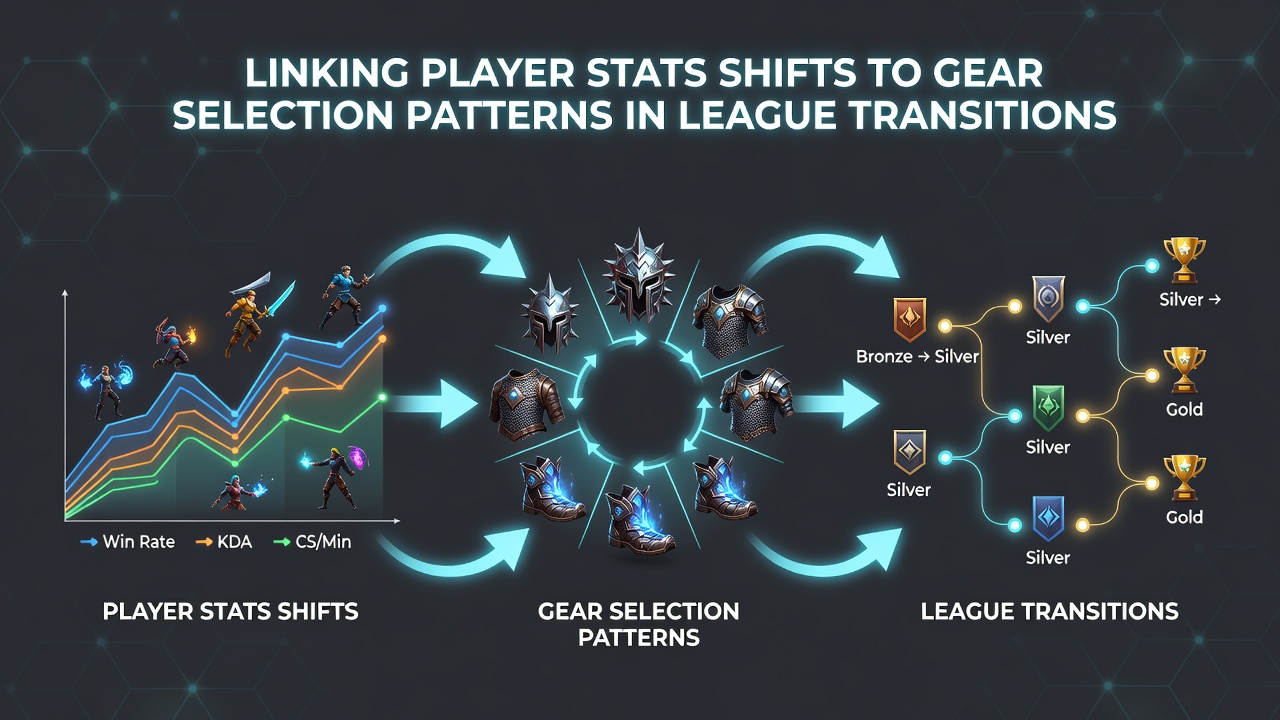
Linking Player Stats Shifts to Gear Selection Patterns in League Transitions
Competitive gaming environments track detailed performance metrics whenever players move between leagues and those shifts often align with adjustments in in-game equipment choices according to match logs compiled across major tournaments. Researchers have examined thousands of professional matches and noted that changes in key indicators such as creep score per minute, damage output ratios, and vision score frequently precede modifications to item builds within the first few weeks of a new league assignment.
Tracking Performance Metrics Across League Boundaries
League transitions expose players to different team compositions, map preferences, and opponent tendencies that alter how individual statistics evolve over time. Data sets from the 2025 season reveal that mid-laners entering higher-tier circuits posted an average 12 percent increase in assist-to-death ratios while simultaneously reducing solo kill counts by roughly 8 percent in their initial 30 matches. Observers note these patterns emerge because new surroundings reward coordinated play over individual aggression and players respond by selecting utility-focused gear sets that emphasize crowd control amplification and cooldown reduction rather than raw burst damage.
Support roles demonstrate even clearer correlations during such moves. Figures released by regional esports organizers show supports who switch circuits increase their ward placement totals by 15 to 20 units per game on average and pair that rise with purchases of items like Zeke's Convergence or Knight's Vow within the opening month. Those choices directly support the elevated vision metrics and help stabilize team fight positioning when facing unfamiliar enemy lineups.
Gear Adjustments Following Statistical Changes
Once performance numbers begin to shift, players and their analysts review replay data to identify which equipment pieces produce the strongest alignment with updated play styles. In one documented case from the European circuit a jungler transitioning from a development league recorded a 22 percent drop in early-game objective control yet maintained high gank success rates. Within two weeks the player swapped from standard bruiser items to a build centered on Liandry's Anguish and Demonic Embrace which extended damage windows over longer skirmishes and restored objective pressure without requiring additional early aggression.
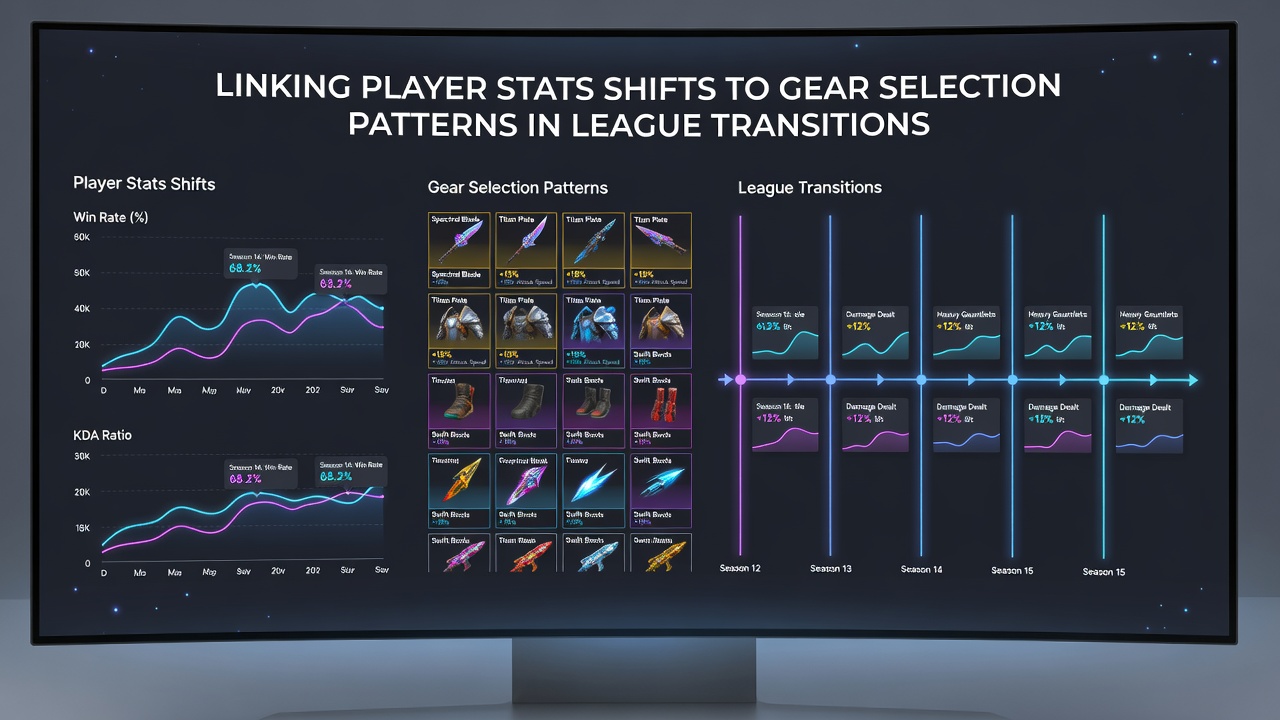
Analysts at institutions such as the University of British Columbia have compiled similar examples across multiple regions and found that itemization tends to follow statistical inflection points rather than precede them. When kill participation falls below a player's established baseline the most common response involves adding items that boost survivability or team utility instead of attempting to force higher damage numbers through glass-cannon selections.
Regional Data Patterns and September 2026 Developments
Cross-regional comparisons highlight how league-specific rule sets influence these linkages. Australian and North American circuits show faster adaptation cycles with players completing gear overhauls within 10 to 14 matches while European and Korean leagues extend that window to three or four weeks on average. The difference appears tied to scouting resources and coaching staff size rather than any inherent player skill gap according to aggregated reports from the International Esports Federation.
September 2026 brings additional data points as several mid-season roster moves coincide with patch adjustments that alter item gold efficiency. Early match logs already indicate that players entering new leagues after the August international break are prioritizing mythic items with flexible build paths and those choices correlate with steadier creep score maintenance during the first 10 games in the new environment. Ongoing collection efforts by tournament organizers will clarify whether these patterns hold through the remainder of the year.
Conclusion
Statistical shifts during league transitions consistently precede targeted changes in gear selection across professional play. The connections emerge through repeated examination of match data sets and offer measurable indicators for analysts seeking to anticipate how new roster additions will modify their equipment priorities in response to evolving performance landscapes.