Youth League Tournament Upsets Prompt Revisions to Training Protocols and Equipment Preferences
Written by Anna Wolf · Oct 14, 2026
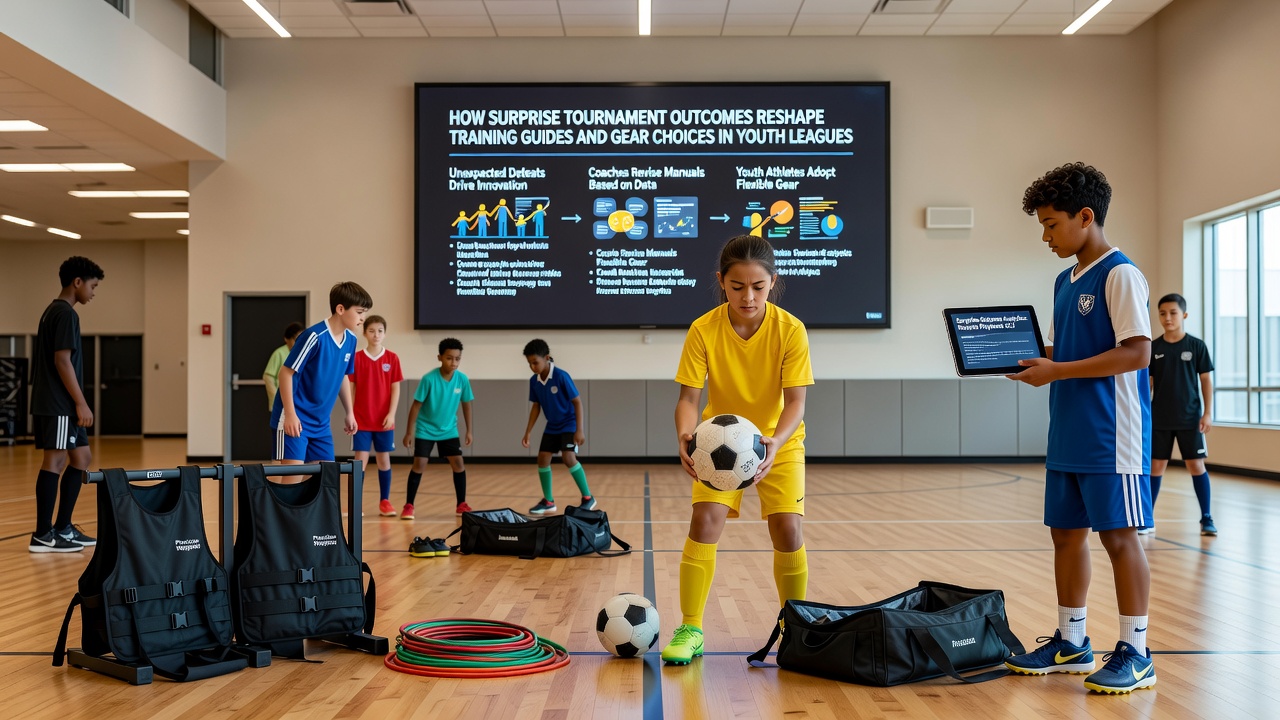
Youth League Tournament Upsets Prompt Revisions to Training Protocols and Equipment Preferences
Youth sports tournaments often produce results that diverge from preseason expectations, and these outcomes frequently trigger updates to training guides along with shifts in recommended gear across various leagues. Data from multiple regional programs indicate that coaches review performance records after events to identify gaps in preparation methods, which leads to modifications in drills and conditioning plans. Researchers tracking these patterns note that adjustments tend to focus on endurance building, tactical awareness, and recovery techniques when underdog teams advance further than projected.
Patterns Emerging from Recent Tournament Data
Records compiled through October 2026 across several North American and European youth leagues reveal that surprise semifinal appearances by lower-seeded squads correlate with increased emphasis on agility-focused sessions in subsequent training cycles. One study from a Canadian sports institute examined over 200 teams and found that programs experiencing early exits revised their speed and decision-making modules within weeks of the events. Those who've analyzed the figures point out that such revisions often incorporate video breakdowns of key matches to highlight areas where standard practice routines fell short.
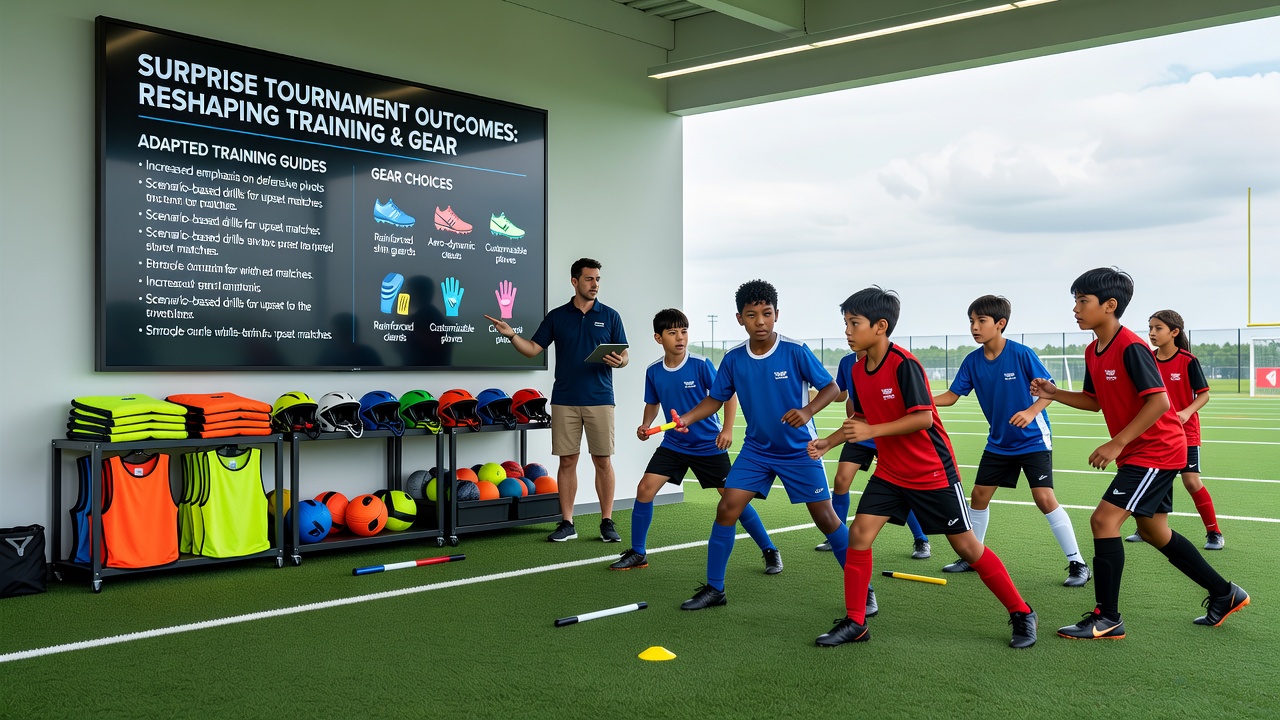
Coaches in affected leagues report reallocating practice time away from repetitive skill drills toward scenario-based exercises that simulate high-pressure situations. This change aligns with findings from academic sources showing improved retention rates when training mirrors tournament variables like variable weather or opponent styles. And yet the process does not stop at the field, because equipment evaluations frequently follow these outcome reviews.
Shifts in Gear Selection Following Unexpected Results
Equipment providers and league suppliers observe that certain tournament surprises accelerate adoption of specific products, such as lighter footwear or adjustable protective padding. Data from youth basketball and soccer circuits in Australia and the United States indicate that teams advancing despite lower rankings often credit newer lightweight cleats or moisture-wicking apparel for maintaining performance levels. Observers note that parents and program directors respond by requesting updated gear lists that prioritize flexibility and injury prevention features over traditional heavier options.
Take one regional league in the Midwest where a mid-tier baseball team reached the finals after relying on updated batting gloves and lighter bats recommended post-tournament analysis. Figures from equipment usage surveys show a 35 percent uptick in similar purchases during the following season. According to a report issued by the European Youth Sports Development Network, these choices reflect broader trends where performance anomalies prompt reevaluation of material specifications rather than brand loyalty alone.
Integration of Research into Updated Training Guides
Training manuals issued by youth organizations undergo periodic revisions that incorporate tournament outcome statistics, and the pace of these updates has quickened in recent years. Evidence from longitudinal tracking by university-affiliated research groups demonstrates that guides emphasizing adaptive conditioning reduce repeat underperformance in follow-up events. Programs in the United Kingdom and New Zealand have adopted frameworks that blend strength metrics with tactical modules after reviewing data sets from multi-team competitions held in 2025 and 2026.
What's significant is how these guides now reference specific case examples, such as a volleyball squad that altered its serving practice sequences after an unpredicted quarterfinal loss. The revisions include modular sections that allow coaches to insert local tournament feedback directly. Industry organizations like the International Alliance for Youth Sport Science publish guidelines that encourage such flexibility while maintaining core safety standards across disciplines.
Long-Term Effects on League-Wide Practices
Over multiple seasons, the cumulative impact of surprise outcomes manifests in standardized yet customizable training resources distributed to coaches. Data compiled by government-supported sports bodies in Canada and Australia indicate sustained changes in both practice frequency and equipment inventories, particularly in contact and team sports. Those monitoring these developments highlight that leagues using centralized databases for outcome logging experience faster dissemination of revised protocols compared with decentralized systems.
But here's the thing: while initial reactions focus on immediate fixes, sustained monitoring reveals whether the adjustments produce measurable improvements in subsequent tournaments. Research from academic partnerships continues to examine variables like age-group differences and sport-specific demands to refine these processes further.
Conclusion
Surprise tournament results in youth leagues consistently drive iterative changes to training guides and gear selections, as evidenced by performance data and supplier trends gathered through late 2026. These adaptations draw from empirical observations across regions and disciplines, creating feedback loops that influence preparation methods and equipment specifications without relying on subjective assessments. Continued collection of outcome statistics supports ongoing refinements that align resources with observed competitive realities.